There are a few instances where it’s impossible to recount Scandinavian history without also telling English history, and this is one of those times:
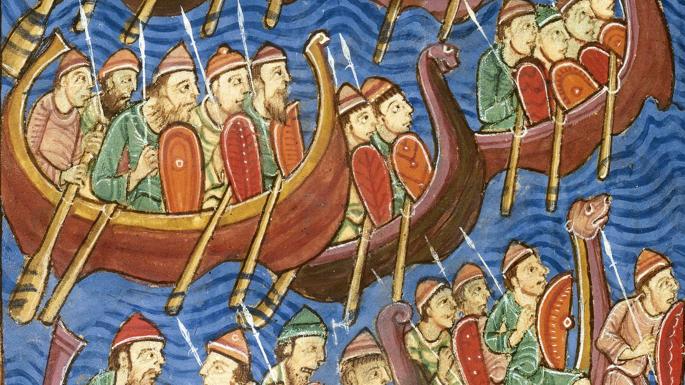
On what is considered this day, June 8th, in 793, Scandinavian Vikings attacked the island of Lindisfarne and its monastery in the first known Viking raid.
In the months leading up to the attack, ominous signs could be seen and were later documented by Anglo-Saxon writers in northern England as recollections of ‘immense whirlwinds, flashes of lightning and fiery dragons were seen flying in the air’.
True to the times when natural occurrences were thought to be magic and dragons were a real possibility, they thought these aerial phenomena were warnings of imminent disaster.
And sure enough, after a great famine came the Vikings.
There is some confusion regarding the date between the Anglo-Saxon Chronicle, which places the raid in January, and the Annals of Lindisfarne, where scholars have observed that the date given by the latter, June 8th, is more in accordance with the weather at the time;
”Never before has such terror appeared in Britain as we have now suffered from a pagan race, nor was it thought that such inroad from the sea could be made.
Behold, the church of St. Cuthbert spattered with the blood of the priests of God, despoiled of all its ornaments; a place more venerable than all in Britain is given as prey to pagan peoples.”
Annals of Lindisfarne
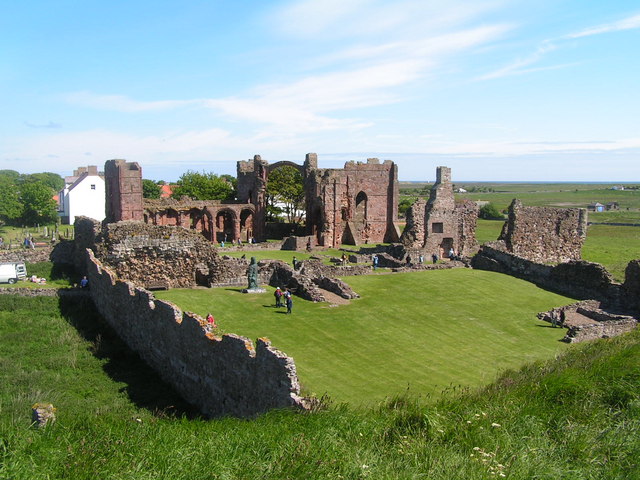
It has been said that this was the Northmen’s first attack on the British Isles, but this isn’t entirely true. Already in 789, three ships had landed on the west coast of Wessex, where they swiftly killed the man who was bringing them to the King.
But to kill men of God was something different, and maybe this is the primary reason the attack on Lindisfarne overshadowed the previous attack.
More than the landing at Wessex, this also signified the beginning of a long row of raids against England, which would continue. Less than 100 years later, a full-blown conquest would be in the works.
Sources:
English Heritage
The Children of Ash and Elm – Neil Price
The Frankish Annals of Lindisfarne
Images:
Creative Commons

 Scandinavian History
Lämna en kommentar