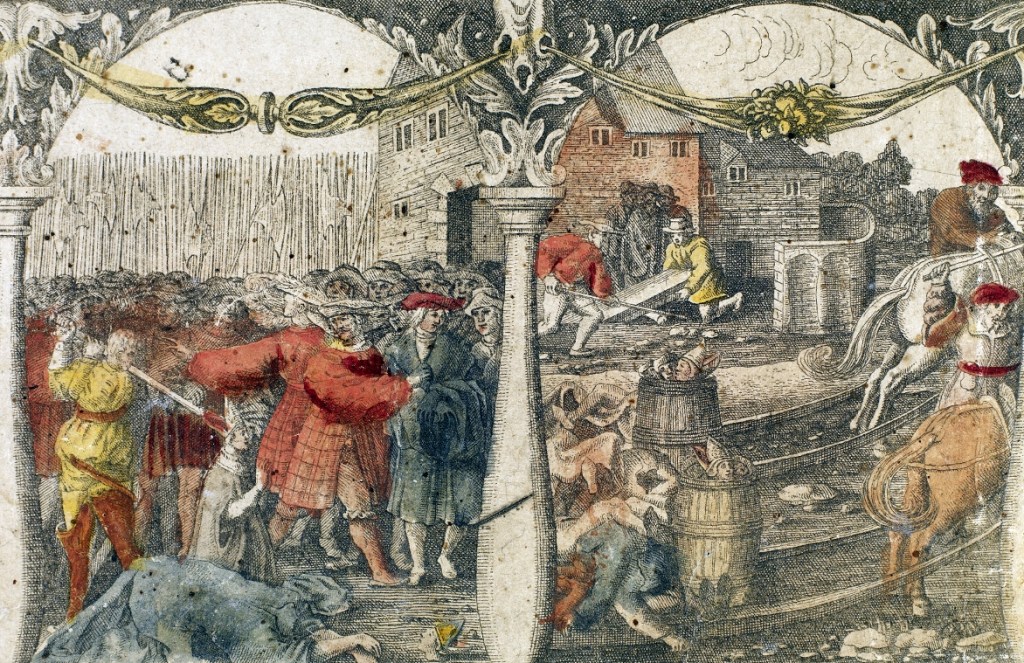
Tre Kronor Castle, October 7, 1520.
For three days, they had eaten, drunk, and revelled. The occasion was the coronation of Christian II as King of Sweden on November 4—following his entry into Stockholm on September 5, after a siege that had lasted several months.
An amnesty had been promised to those who had resisted the Danish takeover—a resistance in Stockholm led by Kristina Gyllenstierna, widow of Sten Sture the Younger.
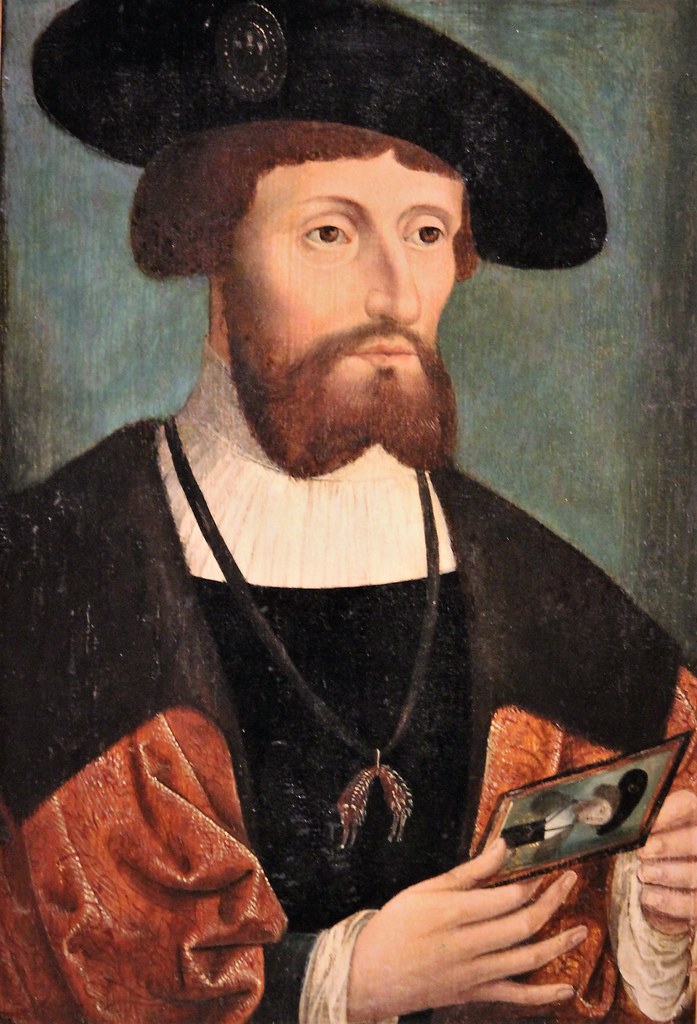
Consequently, the majority of the Swedish nobility were present to celebrate the coronation—many, no doubt, with their hands clenched in their pockets. Yet, they believed themselves safe; Christian had given them no reason to fear otherwise during the three days of festivities.
But now, things were different. When they arrived in the castle’s great hall shortly after midday, the gates were locked, making it impossible to leave. The King took his seat on his throne—one could not help but wonder what was racing through the minds of those gathered there. But Christian let someone else speak. Gustaf Trolle—the archbishop who had been deposed by the opponents of the Kalmar Union—stepped out from the shadows.
He demanded that those present provide compensation for the demolition of the Almarestäket fortress, for thefts from Uppsala Cathedral and the archbishop’s residence, for the imprisonment of several pro-Danish bishops, and for the fact that supporters of Sten Sture had compelled priests to conduct religious services despite an interdict. For all this, along with several other offences, he demanded over a million marks of fine silver. /As an interesting side note, ”lödigt” has the same meaning as ”fullödigt.”/
In other words, it was pure silver that was at issue; in the 16th century, a *mark* – a unit of weight for precious metals – weighed 210.6 grams. In practical terms, what Trolle demanded was 210.6 tonnes of pure silver—an amount that, at current silver prices, would be worth 3.48 billion kronor today.
It is safe to say that Gustaf Trolle was not interested in receiving compensation for the wrongs he claimed had been committed; he wanted revenge.
Among those he deemed guilty, Trolle included Sten Sture the Younger—who, however, had already died in February of that same year—as well as his widow, Kristina, and her mother; several members of the Council of the Realm and castle castellans; various other individuals present; and all the burghers and town councillors of the city of Stockholm.
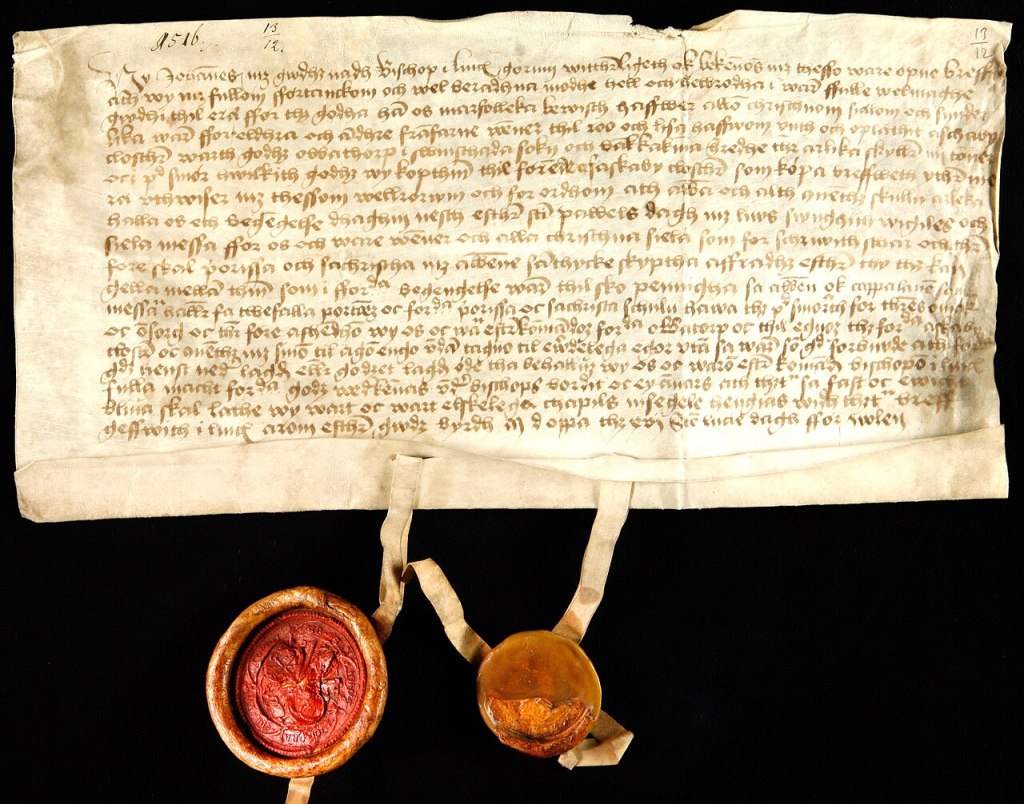
After concluding his address by accusing those involved of ”manifest heresy,” the accused were allowed to speak. Kristina Gyllenstierna presented the document authorising the demolition of Almarestäket—the so-called ”conspiracy letter”—which revealed that those involved had intended to stand together against any potential repercussions from the Roman Curia.
One of the signatories of this letter was the Bishop of Linköping, Hans Brask, who claimed to have participated only reluctantly. According to popular tradition, he tucked a small note beneath the seal he affixed to the document, which read: ”To this I am forced and compelled.”
Whether or not the note actually existed, this tradition gave rise to an expression still used in Swedish today: *brasklappen* (a ”hidden reservation” or ”secret caveat”).
The interrogation continued throughout the day and into the evening, during which several of the accused were arrested. November 7, 1520, was drawing to a close—and things were not about to get any better.
Sources
Stockholms blodbad – Lars Ericson Wolke
Stockholms blodbad – Dick Harrison


Lämna ett svar